

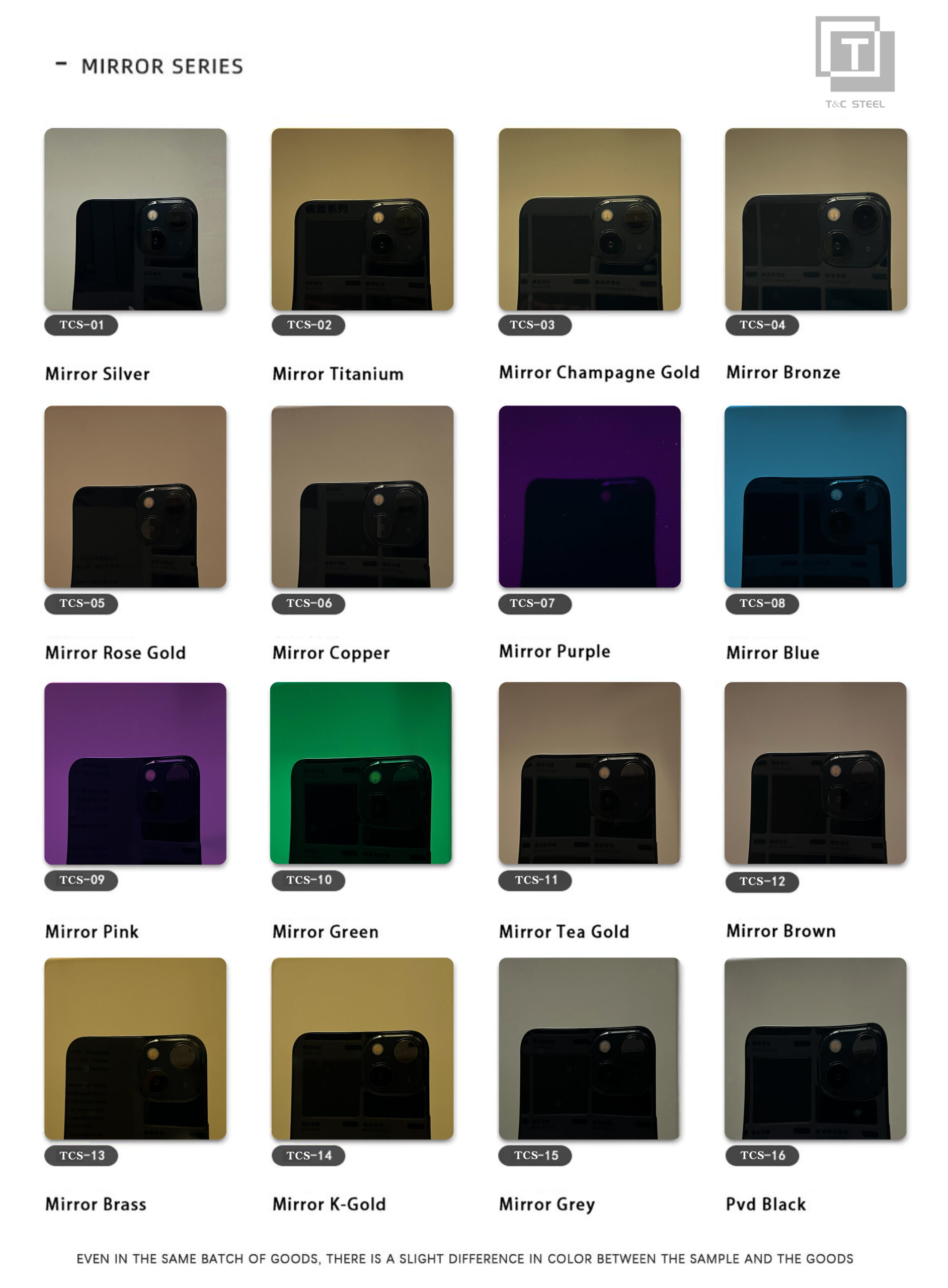
Mirror Sheet Thickness: 0.8-1.5mm
Selecting the correct mirror sheet thickness is a critical decision for any architectural project. This choice directly impacts durability, cost, and the final visual appearance. Therefore, understanding the differences between available options helps you avoid costly installation mistakes.
Why Does Mirror Sheet Thickness Matter for Your Project?
Many buyers focus solely on the finish or price. However, the mirror sheet thickness determines how well the panel will perform in its intended environment. A sheet that is too thin will easily dent and show every imperfection of the wall behind it. Conversely, a sheet that is unnecessarily thick adds significant material and shipping costs.
For example, elevator interiors require a robust material to resist daily impacts from luggage or shopping carts. In contrast, a kitchen backsplash only needs to withstand occasional cleaning and light contact. Consequently, each application demands a different mirror sheet thickness to balance performance and budget.
Recommended Mirror Sheet Thickness by Application
| Thickness | Best Applications | Key Buyer |
|---|---|---|
| 0.6mm – 0.8mm | Ceilings, light-duty decorative inserts, kitchen backsplash | Villa Owners, Cabinet Makers |
| 1.0mm – 1.2mm | Hotel lobby panels, villa interior walls, retail displays | Interior Designers, Hotel Procurement |
| 1.2mm – 1.5mm | Elevator cabin walls, high-traffic commercial areas | Elevator Manufacturers, General Contractors |
| 2.0mm+ | Kick plates, flooring, industrial environments | Facility Managers |
0.8mm: The Economical Choice for Vertical Walls
This entry-level thickness works well for vertical walls in low-traffic areas. It is lightweight and easy to fabricate. However, it demands a perfectly flat substrate. Any unevenness behind a 0.8mm panel will create a visible water ripple effect on the mirror surface.
-
Best for: Kitchen backsplashes, bathroom walls, villa accent panels.
-
Risk: High risk of telegraphing substrate issues.
1.2mm: The Industry Standard for High-Traffic Areas
This is the most recommended mirror sheet thickness for commercial projects. It offers an excellent balance between cost and structural integrity. A 1.2mm sheet resists denting from normal use and can hide minor imperfections in the underlying wall.
-
Best for: Elevator cabins, hotel lobby columns, commercial wall cladding.
-
Benefit: Superior dent resistance without excessive weight or cost.
1.5mm: The Heavy-Duty Solution for Public Spaces
Public elevators in airports or hospitals endure constant heavy use. In these scenarios, a 1.5mm mirror sheet thickness is the safest choice. It provides maximum impact resistance and allows for larger panel spans without visible flexing.
-
Best for: Public transit elevators, hospital walls, high-impact zones.
-
Trade-off: Significantly higher cost and weight.
How to Make the Final Decision
Ultimately, the right mirror sheet thickness depends on three factors: traffic level, substrate condition, and budget.
-
Assess the traffic: High-traffic areas like public elevators need a minimum of 1.2mm.
-
Check your wall: An uneven wall requires a thicker sheet (1.2mm+) to prevent rippling.
-
Calculate your budget: Thicker is not always better. Match the thickness to the real-world risk of impact.
For a deeper understanding of installation issues related to panel thickness, review our guide on preventing the water ripple effect. You can also learn about the visual benefits of choosing a mirror finish from our introduction to 8K stainless steel sheets.
-
Internal Link (Dofollow): For more details, read our article: How to Prevent Mirror Stainless Steel Sheet Deformation.
-
Outgoing Link (Dofollow): For technical specifications on surface flatness, refer to this external standard: ASTM A480 on Coil, Sheet, and Plate.
(Image Placeholder)
-
Image Alt Text:
Comparing mirror sheet thickness options for an elevator wall panel -
Description: Insert an infographic here showing a cross-section of 0.8mm, 1.2mm, and 1.5mm panels on a wall.
Frequently Asked Questions
Q: Can I use 0.8mm mirror sheet for my home elevator?
A: While possible, it is not recommended. A 1.2mm mirror sheet thickness provides much better long-term durability for any elevator.
Q: Does thickness affect the reflection quality?
A: No. The 8K mirror finish quality depends on the polishing process, not the thickness.
Conclusion
Choosing the correct mirror sheet thickness is straightforward. For most commercial applications like hotel lobbies and elevators, 1.2mm is the industry standard. For private villas with perfect walls and low traffic, 0.8mm or 1.0mm can be a cost-effective option. However, always prioritize a thicker gauge if your substrate is uneven or the area will see heavy daily use.