Aged Stainless Steel Finish: Vintage Look for Modern Design
The industrial vintage aesthetic has transformed interior design over the past decade. Raw, weathered, and character-rich surfaces now appear in high-end restaurants, boutique hotels, and luxury homes. Therefore, the aged stainless steel finish has emerged as a premium choice for designers seeking authentic vintage character without sacrificing durability.
Unlike standard stainless steel surfaces that look clean and new, aged finishes tell a story. They evoke history, craftsmanship, and industrial heritage. For example, an elevator cabin finished in aged stainless steel creates a completely different emotional response than a mirror or brushed surface.
Consequently, understanding the aged stainless steel finish options helps architects, interior designers, and property owners specify the right vintage surface for their projects.
For comparison with standard finishes, review our Stainless Steel Decorative Sheet Surface Guide.
What Is an Aged Stainless Steel Finish?
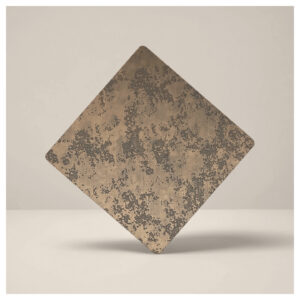
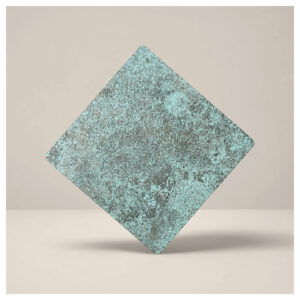
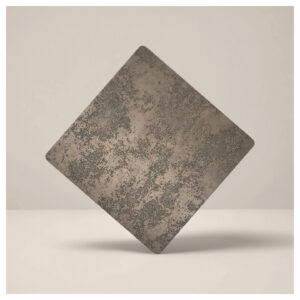
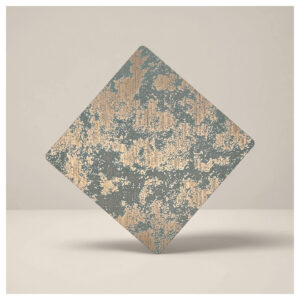
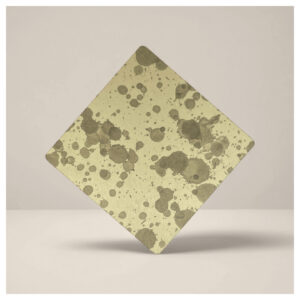
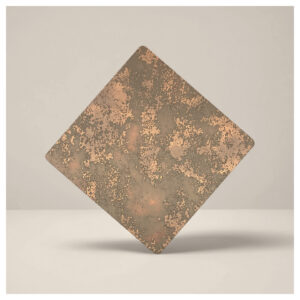
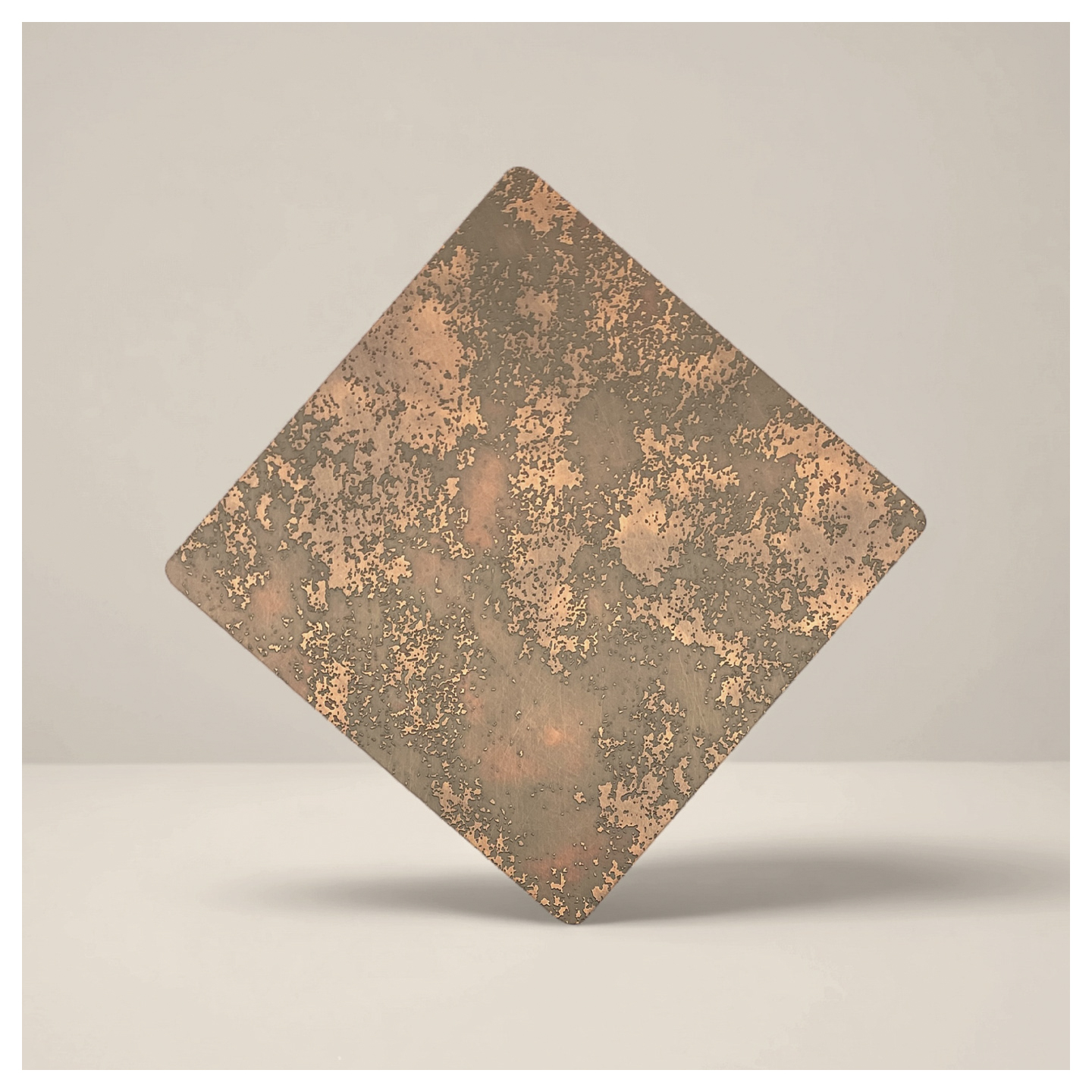
An aged stainless steel finish refers to any surface treatment that creates a weathered, antique, or vintage appearance on new stainless steel. These finishes intentionally introduce visual characteristics normally associated with decades of natural use: patina, grain variation, scratch patterns, and subtle color shifts.
However, unlike naturally aged metal that may corrode or pit, aged stainless steel retains its corrosion resistance. The vintage appearance is achieved through controlled mechanical or chemical processes. As a result, you get the look of aged metal with the performance of new stainless steel.
Key characteristics of aged stainless steel:
-
Weathered, antique appearance
-
Variable grain patterns
-
Subtle color undertones (brown, gray, bronze)
-
Matte or low-reflectivity surface
-
Retains corrosion resistance
For instance, an aged stainless steel bar front might look like it was salvaged from a 1920s factory. In reality, it is brand new material that will resist rust and stains for decades.
5 Types of Aged Stainless Steel Finishes
1. Antique or Patina Finish
The antique finish creates a dark, weathered appearance with brown or gray undertones. This is achieved through chemical patination followed by mechanical brushing.
How it is made:
-
Chemical solution applied to the surface
-
Reaction creates controlled oxidation
-
Surface then brushed to create highlights
-
Clear coating applied to lock the look
Best applications: Restaurant fronts, hotel bars, villa feature walls
Visual effect: Warm, aged, historical character
For example, a whiskey bar might use antique finish stainless steel for the entire back bar. The dark, warm appearance complements leather seating and wood accents perfectly.
2. Weathered or Industrial Finish
The weathered finish replicates the look of stainless steel exposed to decades of industrial use. It features irregular grain patterns, fine scratches, and variable reflectivity.
How it is made:
-
Aggressive mechanical abrasion
-
Random grain direction rather than unidirectional
-
Multiple grits used in irregular sequence
-
Surface then neutralized and sealed
Best applications: Industrial-style lofts, retail spaces, creative offices
Visual effect: Raw, authentic, factory-inspired
On the other hand, this finish requires careful specification. The random grain pattern cannot be easily matched across multiple panels. Therefore, order all material for a project from the same production batch.
For ordering considerations, see our Stainless Steel Surface Finish Cost Guide.
3. Brushed and Aged Combination
This finish starts with a standard brushed surface, then adds aging treatments to create contrast. The brushed grain lines catch light while the aged patina creates depth.
How it is made:
-
Standard No.4 brushed finish applied
-
Chemical patination added
-
Surface lightly re-brushed to create highlights
-
Final clear coating applied
Best applications: Elevator interiors, lobby walls, door hardware
Visual effect: Refined vintage with texture and depth
For instance, a luxury residential elevator might use brushed-and-aged panels. The surface reads as vintage from a distance but shows refined grain lines up close.
4. Scratched or “Used” Finish
The scratched finish intentionally introduces fine scratch patterns that mimic years of normal use. Unlike damaged stainless steel where scratches are random and ugly, these scratches are controlled and artistic.
How it is made:
-
Controlled abrasive application
-
Scratch direction varied for natural appearance
-
Scratch depth and density controlled
-
Protective coating applied
Best applications: Retail displays, restaurant tabletops, bar surfaces
Visual effect: Authentically used, lived-in character
However, this finish is not for every project. Some clients may mistake intentional scratches for damage. Therefore, always provide sample panels for approval before full production.
5. Heat-Treated or Blued Finish
The heat-treated finish uses controlled heating to create blue, purple, and bronze color shifts on the stainless steel surface. This technique, sometimes called “bluing,” creates dramatic iridescent effects.
How it is made:
-
Controlled torch or furnace heating
-
Temperature determines final color
-
Colors range from straw yellow to deep blue
-
Surface then sealed to prevent further change
Best applications: Feature walls, art installations, luxury retail
Visual effect: Dramatic, artistic, color-shifting
For example, a boutique hotel might use heat-treated stainless steel panels behind the reception desk. The blue and bronze tones catch light dramatically, creating a memorable first impression.
Top Applications for Aged Stainless Steel Finish
Restaurant and Bar Interiors
Restaurants seeking authentic industrial character increasingly specify aged stainless steel finishfor key surfaces. Bar fronts, tabletops, and kitchen display areas benefit from the vintage look.
Why it works:
-
Complements wood, leather, and brick
-
Hides inevitable restaurant wear
-
Creates warm, inviting atmosphere
-
Matches craft cocktail and farm-to-table concepts
For instance, a steakhouse might use aged stainless steel for the bar front and back bar shelving. The vintage industrial look signals quality and craftsmanship before the first bite.
Boutique Hotel Lobbies
Hotels competing on design credentials use aged finishes to differentiate from standard properties. An aged stainless steel finish at the reception desk or concierge area signals attention to detail.
Why it works:
-
Creates Instagram-worthy moments
-
Signals luxury through material authenticity
-
Complements mid-century modern and industrial styles
-
Ages gracefully without showing wear
On the other hand, aged finishes may not suit traditional or ultra-modern hotel concepts. Therefore, match finish style to overall design direction.
Villa and Luxury Home Interiors
Residential projects increasingly specify aged finishes for wine rooms, home bars, and feature walls. Homeowners want the character of aged metal without decades of waiting.
Why it works:
-
Creates unique, non-standard appearance
-
Complements reclaimed wood and stone
-
Shows personality and taste
-
Resists showing new scratches
For example, a villa wine room might use aged stainless steel for racking and countertops. The vintage industrial look contrasts beautifully with the wine bottles’ colorful labels.
Retail and Showroom Displays
High-end retail brands use aged finishes to create distinctive shopping environments. An aged stainless steel finish on display fixtures or fitting room doors signals brand personality.
Why it works:
-
Differentiates from competitors using standard finishes
-
Creates memorable shopping experience
-
Complements product displays without competing
-
Shows authenticity and craftsmanship
For instance, a heritage boot brand might use aged stainless steel throughout its flagship store. The vintage industrial look reinforces the brand’s century-old story.
Elevator Cabins (Design Hotels)
Design hotels sometimes specify aged finishes for elevator interiors. The confined space becomes a design moment rather than a utilitarian necessity.
Why it works:
-
Creates surprise and delight
-
Photographs well for social media
-
Differentiates from standard hotel elevators
-
Shows attention to design details
However, aged finishes in elevators require careful lighting design. Poor lighting can make the surface look dirty rather than intentionally aged. Therefore, work with lighting designers to ensure proper illumination.
Aged Stainless Steel vs. Other Vintage Materials
| Material | Appearance | Durability | Maintenance | Cost |
|---|---|---|---|---|
| Aged Stainless Steel | Industrial, controlled | Excellent | Low | High |
| Corten Steel | Rusted, rough | Good (rusts actively) | High (rust transfers) | Moderate |
| Raw Iron | Dark, textured | Moderate (rusts) | High | Low |
| Brass (aged) | Warm, golden | Good | Moderate (tarnishes) | High |
| Copper (aged) | Green/brown patina | Good | Moderate | High |
Consequently, aged stainless steel offers the best combination of vintage appearance and modern performance. It will not rust through, transfer color to adjacent materials, or require special maintenance.
For example, a restaurant bar front made of Corten steel might leave rust stains on customers’ clothing. The same bar front in aged stainless steel creates the same industrial look without the risk.
Internal Link (Dofollow): For outdoor application considerations, see our upcoming guide on 304 vs 316 stainless steel grades.
Design Tips for Specifying Aged Stainless Steel
Tip 1: Always request physical samples
Aged finishes vary significantly between suppliers. A photo cannot capture the grain pattern, color depth, or reflectivity. Therefore, request 200mm x 200mm samples minimum before ordering full panels.
Tip 2: Order all material at once
Unlike standard brushed finishes, aged finishes are difficult to match across production runs. Consequently, order your entire project quantity from a single batch.
Tip 3: Consider lighting carefully
Aged finishes look dramatically different under warm vs. cool lighting. Test your samples under the actual lighting conditions of your project.
Tip 4: Specify clear coating
Most aged stainless steel finishes require a clear protective coating to lock the patina and prevent further change. Confirm with your supplier that coating is included.
Tip 5: Plan for seam visibility
Random grain patterns on aged finishes make seams more visible than on unidirectional brushed finishes. Design panel layouts to minimize visible seams or make them intentional design elements.
Maintenance of Aged Stainless Steel Finish
Aged finishes require different care than standard stainless steel:
Do:
-
Clean with mild soap and soft cloth
-
Dry immediately after cleaning
-
Use clear coat-safe cleaners only
-
Test cleaning products on sample first
Do not:
-
Use abrasive pads or powders
-
Clean with bleach or ammonia
-
Allow standing water on surface
-
Use stainless steel polish (may remove patina)
For example, a restaurant with aged stainless steel bar tops should train staff to wipe spills immediately with a soft, damp cloth. Harsh chemicals or abrasive scrubbing would damage the aged patina.
Cost Considerations for Aged Stainless Steel
| Finish Type | Relative Cost (vs standard brushed) | Lead Time |
|---|---|---|
| Standard Brushed (No.4) | 1.0x (baseline) | Stock |
| Antique/Patina | 2.0x – 2.5x | 2-3 weeks |
| Weathered Industrial | 2.5x – 3.0x | 3-4 weeks |
| Brushed and Aged Combo | 2.0x – 2.5x | 2-3 weeks |
| Scratched Finish | 1.8x – 2.2x | 2 weeks |
| Heat-Treated/Blued | 3.0x – 4.0x | 3-5 weeks |
Therefore, aged finishes represent a significant investment over standard surfaces. Budget accordingly and allocate the premium to high-impact areas where vintage character creates maximum value.
Frequently Asked Questions
Q: Does aged stainless steel rust?
A: No. The aging process creates a controlled surface patina but does not remove the chromium oxide layer that provides corrosion resistance. Therefore, aged stainless steel resists rust just like standard stainless steel.
Q: Can aged stainless steel be used outdoors?
A: Yes, but with grade 316 (marine grade). Outdoor aged finishes also require a UV-stable clear coating to prevent the patina from changing over time.
Q: Will the aged appearance change over time?
A: With a quality clear coating, no. Without coating, the patina may continue to develop. Therefore, confirm with your supplier whether clear coating is included or recommended.
Q: Can I match aged stainless steel panels from different orders?
A: Unlikely. Aged finishes involve manual processes that create natural variation. Consequently, order all panels for your project at once from the same production batch.
Q: Is aged stainless steel difficult to clean?
A: No. Clean with mild soap and soft cloth, wiping in the grain direction. However, avoid stainless steel polishes and abrasive cleaners that could remove the patina.
Q: What design styles work best with aged stainless steel?
A: Industrial, rustic modern, mid-century modern, art deco revival, and farmhouse industrial. Aged finishes generally do not suit ultra-modern, minimalist, or traditional luxury styles.
Conclusion
The aged stainless steel finish offers designers and property owners a unique way to create vintage industrial character without sacrificing modern performance. Unlike raw metals that rust or corrode, aged stainless steel maintains its durability while telling a story of craftsmanship and history.
Therefore, consider aged finishes for these high-impact applications:
-
Restaurant bar fronts and tabletops
-
Boutique hotel lobbies and reception desks
-
Villa wine rooms and home bars
-
Design retail displays
-
Premium elevator interiors
For example, a boutique hotel investing $500,000 in lobby renovation might allocate $50,000 to aged stainless steel for the reception desk, concierge area, and feature wall. This 10% investment creates the memorable design moment that guests photograph and share.